Recognizing Agile Design: The Trick to Effective Item Advancement
페이지 정보

본문
In the hectic world of item advancement, remaining in advance of the curve and ensuring timely shipment can be an obstacle. That's where Agile Style enters play. Agile layout refers to the iterative process of product advancement, stressing versatility, cooperation, and customer feedback throughout the entire cycle. This technique is particularly efficient for tasks that require constant improvement and improvement, as it enables teams to adapt to developing requirements and market demands quickly.
Agile design is a core concept of the Agile technique, which originated in the software application industry but has because been applied across different domains, consisting of product layout, engineering, and also marketing. The significance of Agile design depends on its capability to produce items that not only meet individual requirements however additionally respond to changes quickly and successfully, using the versatility to adapt as brand-new understandings develop.
The Principles Behind Agile Style
At its core, Agile layout runs on a number of basic principles that establish it besides typical style procedures. Among the vital facets is step-by-step advancement. As opposed to waiting till the end of the project to release a complete item, Agile design breaks the process into smaller portions, supplying functional models at each phase. This enables teams to gather responses beforehand, which can be incorporated into the next model, enhancing the end product's top quality and use.
An additional important principle is partnership. Agile style cultivates close interaction in between all employee, including designers, programmers, and stakeholders. This continual exchange of ideas and responses guarantees that every person is straightened which the task stays on track. By functioning in short cycles, Agile layout advertises versatility in making modifications based upon input from numerous resources, whether it's the development team, clients, or individuals themselves.
Moreover, Agile layout highlights consumer responses as a driving force for product advancement. With each version, customer input is vital to refining the product's attributes and performance. This strategy makes sure that the last product not only fixes the designated problem but also lines up with customer assumptions and needs.
Advantages of Agile Layout
Embracing Active layout uses many benefits that contribute to a more effective and reliable development procedure. Considering that Agile design works in smaller sized increments, teams can release versions of the item much more rapidly, collecting feedback and making renovations without waiting for a prolonged, last item launch.
Another benefit is enhanced product quality. By continually testing and fine-tuning the item throughout its advancement, the probability of uncovering and dealing with prospective issues increases. This iterative process helps in reducing the risk of pricey blunders or major layout imperfections that may have been overlooked in a traditional advancement cycle.
Agile layout also boosts danger management. With consistent comments and a flexible strategy, groups can detect possible dangers early and readjust their methods accordingly. This proactive method permits quicker reactions to unanticipated obstacles and lessens the influence of these dangers on the general task.
Agile Style in Practice
To implement Agile layout successfully, teams have to stick to a few essential methods. One such method is making use of customer stories, which define the product's functionality from the individual's viewpoint. This helps prioritize functions based on individual needs and makes certain the team focuses on what's most crucial to the end individual.
In addition, sprints are a main component of the Agile procedure. At the end of each sprint, the group offers a functioning version of the product, which can be assessed by stakeholders for comments.
Routine standup meetings are one more necessary facet of Agile design. These quick, daily conferences allow staff member to share updates, discuss any obstacles, and ensure that everyone gets on the exact same web page. This assists keep energy throughout the job and makes certain that potential problems are attended to before they can hamper progress.
Challenges of Agile Layout
While Agile layout offers several advantages, it's not without its obstacles. Due to the fact that the process is repetitive and might involve constant modifications, stakeholders may initially have a hard time to recognize the advancing nature of the project.
An additional challenge is the possibility for scope creep. Considering that Agile design allows for adaptability and changes throughout the procedure, there is a danger that the extent of the job might grow beyond its initial objectives. To prevent this, it's critical to keep a clear vision and established practical objectives from the start.
Ultimately, Agile design calls for a high degree of group cooperation and technique. Given that the procedure involves continual comments and frequent changes, it can be requiring for groups to preserve a consistent speed and maintain the project on track. With appropriate preparation and commitment, these obstacles can be managed properly.
Verdict
Agile style is a powerful method that brings flexibility, partnership, and constant improvement to item advancement. By damaging down jobs right into convenient iterations and focusing on individual responses, Agile design makes certain that products satisfy customer requirements and are provided quickly. While there are challenges to get rid of, the benefits of faster time to market, improved item high quality, and much better danger monitoring make it a very effective technique for modern-day item development.
By accepting Agile layout, companies can remain affordable in an ever-changing market, supplying items that are not only functional however also straightened with user expectations. Whether you're making software, products, or services, Agile product design design uses the devices to develop cutting-edge and successful results.
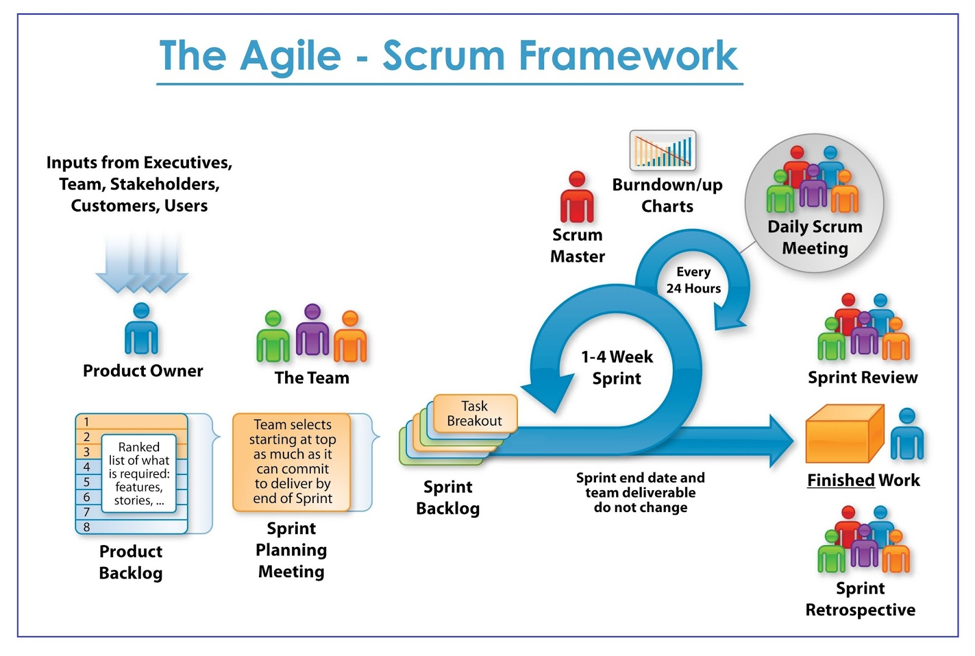 Agile layout refers to the repetitive process of item development, highlighting adaptability, cooperation, and consumer responses throughout the whole cycle. At its core, Agile style operates on several basic principles that establish it apart from typical design processes. Instead of waiting until the end of the task to release a complete product, Agile style damages the process right into smaller pieces, delivering practical prototypes at each phase. Given that Agile layout functions in smaller increments, groups can launch versions of the product much more promptly, gathering responses and making improvements without waiting for a lengthy, last product launch. By damaging down jobs right into manageable models and focusing on customer comments, Agile style ensures that items satisfy individual demands and are supplied rapidly.
Agile design is a core concept of the Agile technique, which originated in the software application industry but has because been applied across different domains, consisting of product layout, engineering, and also marketing. The significance of Agile design depends on its capability to produce items that not only meet individual requirements however additionally respond to changes quickly and successfully, using the versatility to adapt as brand-new understandings develop.
The Principles Behind Agile Style
At its core, Agile layout runs on a number of basic principles that establish it besides typical style procedures. Among the vital facets is step-by-step advancement. As opposed to waiting till the end of the project to release a complete item, Agile design breaks the process into smaller portions, supplying functional models at each phase. This enables teams to gather responses beforehand, which can be incorporated into the next model, enhancing the end product's top quality and use.
An additional important principle is partnership. Agile style cultivates close interaction in between all employee, including designers, programmers, and stakeholders. This continual exchange of ideas and responses guarantees that every person is straightened which the task stays on track. By functioning in short cycles, Agile layout advertises versatility in making modifications based upon input from numerous resources, whether it's the development team, clients, or individuals themselves.
Moreover, Agile layout highlights consumer responses as a driving force for product advancement. With each version, customer input is vital to refining the product's attributes and performance. This strategy makes sure that the last product not only fixes the designated problem but also lines up with customer assumptions and needs.
Advantages of Agile Layout
Embracing Active layout uses many benefits that contribute to a more effective and reliable development procedure. Considering that Agile design works in smaller sized increments, teams can release versions of the item much more rapidly, collecting feedback and making renovations without waiting for a prolonged, last item launch.
Another benefit is enhanced product quality. By continually testing and fine-tuning the item throughout its advancement, the probability of uncovering and dealing with prospective issues increases. This iterative process helps in reducing the risk of pricey blunders or major layout imperfections that may have been overlooked in a traditional advancement cycle.
Agile layout also boosts danger management. With consistent comments and a flexible strategy, groups can detect possible dangers early and readjust their methods accordingly. This proactive method permits quicker reactions to unanticipated obstacles and lessens the influence of these dangers on the general task.
Agile Style in Practice
To implement Agile layout successfully, teams have to stick to a few essential methods. One such method is making use of customer stories, which define the product's functionality from the individual's viewpoint. This helps prioritize functions based on individual needs and makes certain the team focuses on what's most crucial to the end individual.
In addition, sprints are a main component of the Agile procedure. At the end of each sprint, the group offers a functioning version of the product, which can be assessed by stakeholders for comments.
Routine standup meetings are one more necessary facet of Agile design. These quick, daily conferences allow staff member to share updates, discuss any obstacles, and ensure that everyone gets on the exact same web page. This assists keep energy throughout the job and makes certain that potential problems are attended to before they can hamper progress.
Challenges of Agile Layout
While Agile layout offers several advantages, it's not without its obstacles. Due to the fact that the process is repetitive and might involve constant modifications, stakeholders may initially have a hard time to recognize the advancing nature of the project.
An additional challenge is the possibility for scope creep. Considering that Agile design allows for adaptability and changes throughout the procedure, there is a danger that the extent of the job might grow beyond its initial objectives. To prevent this, it's critical to keep a clear vision and established practical objectives from the start.
Ultimately, Agile design calls for a high degree of group cooperation and technique. Given that the procedure involves continual comments and frequent changes, it can be requiring for groups to preserve a consistent speed and maintain the project on track. With appropriate preparation and commitment, these obstacles can be managed properly.
Verdict
Agile style is a powerful method that brings flexibility, partnership, and constant improvement to item advancement. By damaging down jobs right into convenient iterations and focusing on individual responses, Agile design makes certain that products satisfy customer requirements and are provided quickly. While there are challenges to get rid of, the benefits of faster time to market, improved item high quality, and much better danger monitoring make it a very effective technique for modern-day item development.
By accepting Agile layout, companies can remain affordable in an ever-changing market, supplying items that are not only functional however also straightened with user expectations. Whether you're making software, products, or services, Agile product design design uses the devices to develop cutting-edge and successful results.
Agile layout refers to the repetitive process of item development, highlighting adaptability, cooperation, and consumer responses throughout the whole cycle. At its core, Agile style operates on several basic principles that establish it apart from typical design processes. Instead of waiting until the end of the task to release a complete product, Agile style damages the process right into smaller pieces, delivering practical prototypes at each phase. Given that Agile layout functions in smaller increments, groups can launch versions of the product much more promptly, gathering responses and making improvements without waiting for a lengthy, last product launch. By damaging down jobs right into manageable models and focusing on customer comments, Agile style ensures that items satisfy individual demands and are supplied rapidly.- 이전글The Ultimate Sports Betting Odds Guide: Your Path to Smart Betting 24.12.28
- 다음글Exploring Verified Powerball Sites: Your Guide to Playing Safely and Smartly 24.12.28
댓글목록
등록된 댓글이 없습니다.